
🏴☠️ Tortuga, Haiti: The Original Pirate Stronghold of the Caribbean
Updated: Jan 6
Discover Tortuga, Haiti — the Caribbean’s Original Pirate Haven
Explore its wild history, untouched beaches, and the legacy of the legendary Brethren of the Coast.

Where Pirate Legends Were Born
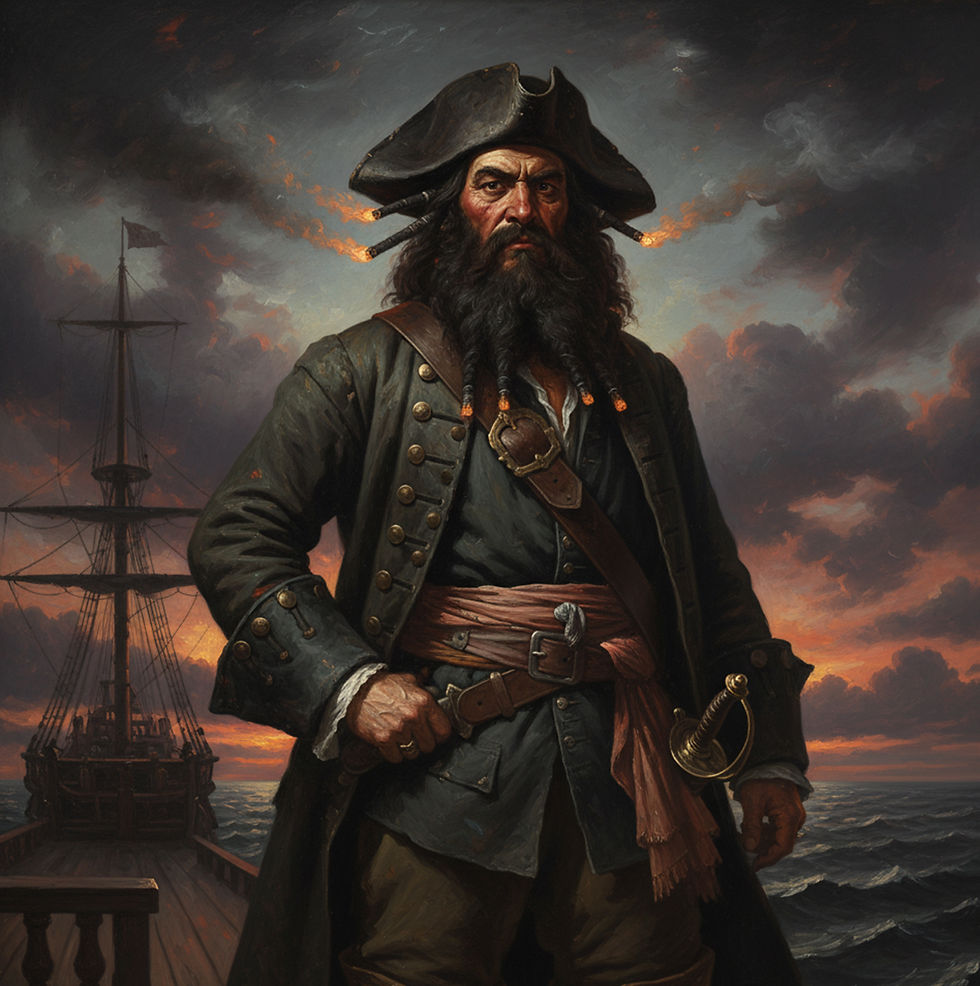
Before Nassau became the pirate capital of the Caribbean, there was Tortuga. This small, rugged island off the northern coast of Hispaniola, now part of Haiti, held the fate of empires in its hands. In the 17th century, Tortuga was the wild beating heart of Caribbean piracy. It was home to the infamous Brethren of the Coast — a loose confederation of French, English, and Dutch privateers who made their living raiding Spanish galleons and plundering treasure ships bound for Europe.
From Hunters to Buccaneers: The Birth of a Pirate Nation
The story of Tortuga starts not with pirates, but with hunters. In the early 1600s, bands of European adventurers lived on nearby Hispaniola. They hunted wild cattle and pigs, smoking the meat on wooden frames known as boucan. They sold this to passing ships. Locals called these men boucanier, the root of the word “buccaneer.”
When the Spanish tried to drive them out, the buccaneers turned to something far more profitable — piracy. Tortuga’s steep cliffs, hidden coves, and natural harbor made it the perfect base of operations. The island soon became a magnet for misfits, sailors, and fortune-seekers of every flag and creed.
By the 1650s, Tortuga was a lawless frontier. There were no governors, no laws, and certainly no shortage of rum. The Brethren of the Coast, as they called themselves, were bound by a rough code of honor. They shared loot equally, protected one another, and lived free from the crowns of Europe. It was a pirate republic decades before Nassau ever flew the Jolly Roger.
Famous Faces of Tortuga’s Golden Age
Tortuga’s history reads like a roll call of the Caribbean’s most colorful rogues. François l’Olonnais, a Frenchman notorious for his brutality, launched many of his blood-soaked raids from Tortuga’s shores. Jean-David Nau and Michel le Basque terrorized Spanish fleets, amassing fortunes that would make modern-day hedge fund managers blush.

Even Henry Morgan — before his Jamaican exploits — recruited his crews and planned early campaigns here. These pirates helped establish Tortuga as the unofficial headquarters of the Caribbean underworld. For decades, Spanish treasure fleets lived in fear of sails appearing on the horizon bearing the black flag.
When Empires Fought Over an Island of Outlaws
Tortuga’s strategic location — just a few miles off the northern coast of Hispaniola — made it irresistible to European powers. The French, English, and Spanish took turns trying to control it, often destroying and rebuilding its forts in a cycle of conquest and rebellion.
At one point, the French even sent settlers to “civilize” the island, but the pirates were having none of it. Discipline and order never stood a chance against freedom, rum, and gold. Eventually, the island faded from the spotlight as the great age of piracy waned in the early 18th century — but its legend endured.
Tortuga Today: History Meets Untamed Beauty
Fast forward to the present day, and Tortuga (Île de la Tortue) is a world away from its chaotic past. The pirates are gone, but the spirit of the island — wild, remote, and defiantly independent — remains. There are no large resorts, no cruise terminals, and no bustling tourist crowds. Instead, Tortuga offers something rare: authentic Caribbean wilderness.
The island’s beaches are pristine and almost empty. Its turquoise waters are perfect for swimming, snorkeling, and daydreaming about buried treasure.

The main settlement, La Vallée, is a small fishing village where life moves at its own pace. Fishermen mend their nets in the shade, children play along the shoreline, and the air smells of salt and woodsmoke — a scene that feels frozen in time.
Visiting Tortuga isn’t for everyone — it’s for adventurous travelers. There are no direct flights or ferries. Reaching the island typically involves chartering a small boat from Port-de-Paix, a bustling harbor city on Haiti’s north coast. But for those who make the journey, the reward is a glimpse into the untouched Caribbean — and a direct connection to its most legendary past.
What to See and Do in Tortuga
While Tortuga doesn’t have grand museums or guided pirate tours (yet), it offers plenty for explorers with imagination:
Explore the Coastline
The cliffs and coves that once hid pirate ships now make for spectacular hikes and photo ops.
Swim or Snorkel in Hidden Coves
The waters around Tortuga are crystal clear — ideal for spotting coral reefs and tropical fish.
Hike the Hills
Climb into the island’s interior to see panoramic views of the Caribbean Sea and imagine where pirates might have stashed their loot.
Meet the Locals
The people of Tortuga are warm and welcoming. Their island traditions offer a window into authentic Haitian coastal life.
If you’re craving a little modern comfort before or after your adventure, spend a night in Port-de-Paix on the mainland. It’s the gateway to Tortuga and a lively town full of markets, music, and local flavor.
Nearby Attractions: The Mainland’s Hidden Treasures
Back on the Haitian mainland, a few hours south of Port-de-Paix, lies one of the most awe-inspiring landmarks in the Caribbean — the Citadelle Laferrière. Built in the early 19th century, this massive stone fortress perches on a mountain ridge and is recognized as a UNESCO World Heritage Site.
While not tied directly to the pirate era, it’s a breathtaking monument to Haitian independence and resilience — and one of the most impressive historical structures in the Americas. Combine a visit to Tortuga with a trip to the Citadelle, and you’ll experience both sides of Haiti’s story: its rebellious past and its enduring strength.
Travel Tips for Visiting Tortuga, Haiti
🗺️ How to Get There:
Travel to Port-de-Paix, then hire a local fisherman’s boat or private charter to reach Tortuga (about 30–45 minutes by sea).
⏰ Best Time to Visit:
The dry season (November–April) offers calmer seas and sunny skies — ideal for boat crossings and outdoor exploration.
🧳 What to Bring:
Cash (there are no ATMs on Tortuga), sun protection, bottled water, and an adventurous spirit. Expect basic infrastructure — but unmatched natural beauty.
🍽️ Where to Eat:
Try fresh-caught seafood prepared by local families in La Vallée. Ask for grilled snapper or poisson gros sel (salted fish stew) — simple, flavorful, and unforgettable.
Why Tortuga Still Captivates the Imagination
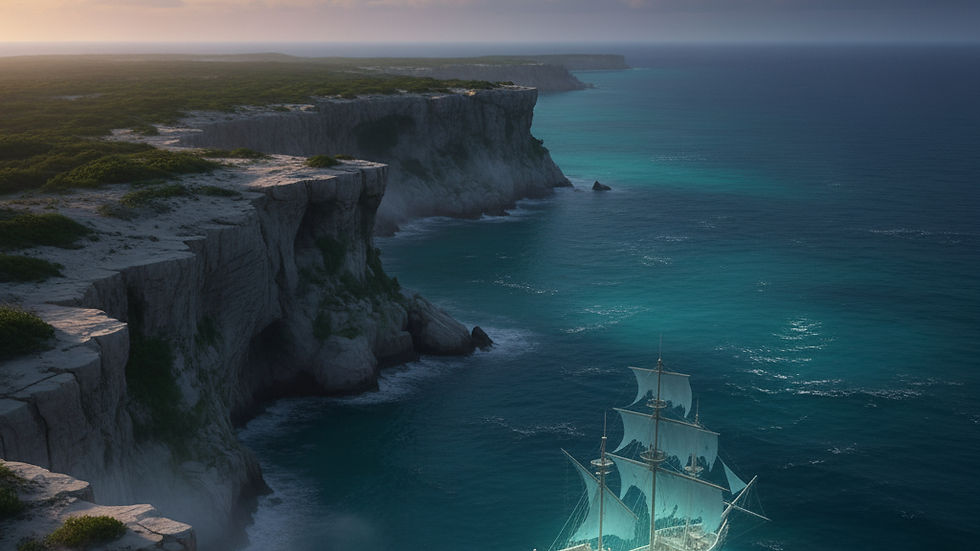
Standing on Tortuga’s windswept cliffs, looking out over the same turquoise waters once prowled by pirate ships, it’s easy to understand the island’s hold on legend. Here, history isn’t sealed behind glass — it’s alive in the salt air, the rhythm of the waves, and the stories passed down through generations.
Tortuga, Haiti, remains one of the Caribbean’s last true frontiers. It’s a place where adventure is earned, not bought, and where every gust of wind seems to whisper the secrets of the Brethren of the Coast.
Join the Adventure
If you’re ready to embrace the spirit of adventure and rebellion, consider adding Tortuga to your travel list. The island invites you to explore its wild beauty and connect with its legendary past. The Brethren of the Coast still echo in the winds, calling to those who dare to live boldly and authentically.


Comments